Apprendre
20 vins à connaître pour commencer
20 bouteilles choisies pour découvrir différents styles de vin, comprendre les grands cépages et commencer à identifier ce que vous aimez.
The journal
The story.
When you start getting interested in wine, it can quickly feel like you need to learn a lot: the grapes, the regions, the appellations, the vintages, the producers… In reality, you can begin in a different way. Tasting a few well-chosen and fairly distinct wines already lets you build very useful reference points.
That’s the idea behind this selection of 20 bottles. It’s not a ranking of the best wines, nor a list of bottles you absolutely must have tried. Instead, we chose wines that each help you discover something: the freshness of a Sauvignon blanc, the two completely different faces of Chardonnay, the lightness of Gamay, the tannins of Cabernet Sauvignon, the bubbles of a Cava or the particular texture of an orange wine.
Some bottles are very well known, and that’s deliberate. Others are much less so. The goal isn’t to look for the rarest or most impressive bottles, but to create a small starter library that can then serve whenever you want to explore a bit further.
You don’t need to taste the 20 in order either. Keep the list, pick a bottle from time to time and just take a few seconds to notice what you like — or don’t. After a few wines, preferences usually start to emerge on their own.
Whites
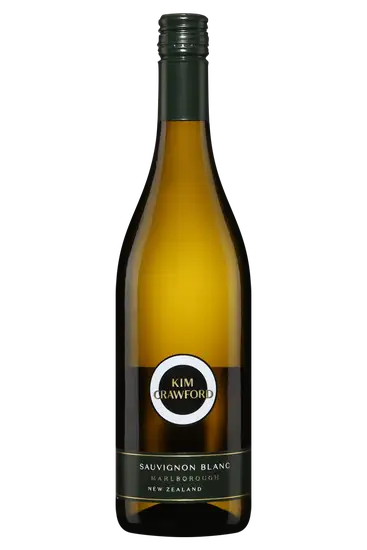
01 — Kim Crawford Sauvignon Blanc Marlborough
New Zealand · Marlborough · Sauvignon blanc
Marlborough helped make New Zealand Sauvignon blanc a style recognizable around the world. The wines are generally very aromatic, with lots of citrus, grapefruit, tropical fruits and vegetal notes, all carried by lively acidity. Kim Crawford offers a particularly approachable and very popular version, which makes it an excellent starting point.
It’s a good bottle for understanding what people mean when they describe a white as “lively” or “aromatic.” Everything is fairly easy to perceive and the wine doesn’t require much analysis to make itself understood. Please remember the association Sauvignon blanc + Marlborough: it’s a simple and very useful marker when you later look for a fresh white for an aperitif, seafood or a light meal.
Key takeaway
TO REMEMBER : lively · aromatic · citrus · freshness
Kim Crawford
· 22,45 $Kim Crawford Sauvignon Blanc Marlborough
A lively and very aromatic Sauvignon Blanc, filled with citrus and freshness: an excellent benchmark for understanding the Marlborough style.
View wine02 — Schieferkopf Riesling Trocken
Germany · Riesling
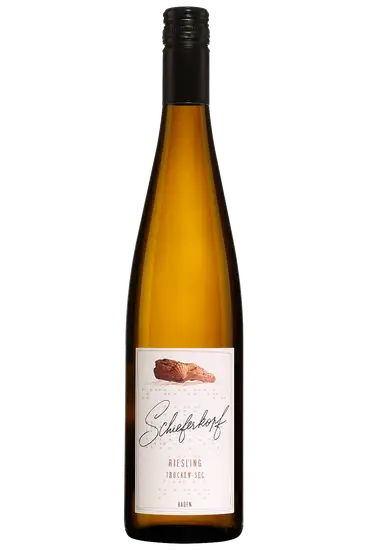
Riesling still suffers from an old reputation as necessarily sweet, even though it can also produce perfectly dry whites of great precision. On a German bottle, the word “Trocken” specifically indicates that the wine is dry. It’s a small, handy word to recognize when you start exploring the grape.
Here you’ll find very present acidity, citrus, white-fleshed fruit and a mineral dimension that gives the wine a lot of tension. It’s particularly interesting to taste it after the Sauvignon blanc: both are fresh and aromatic, but their personalities are very different. This comparison already helps you understand that a term like “fresh” can describe several sensations and several wine styles.
Key takeaway
TO REMEMBER : dry · taut · citrus · minerality
Schieferkopf
· 20,00 $Schieferkopf Riesling Trocken Sec
A dry German Riesling, taut and precise, where citrus and white fruits meet a lovely mineral lift.
View wine03 — La Chablisienne Chablis La Sereine
France · Burgundy · Chablis · Chardonnay
One simple thing to remember: Chablis is made from Chardonnay. That’s interesting because many people who think they don’t like the grape actually discover they really like Chablis. What they often like less are the very rich or heavily oaked versions of Chardonnay.
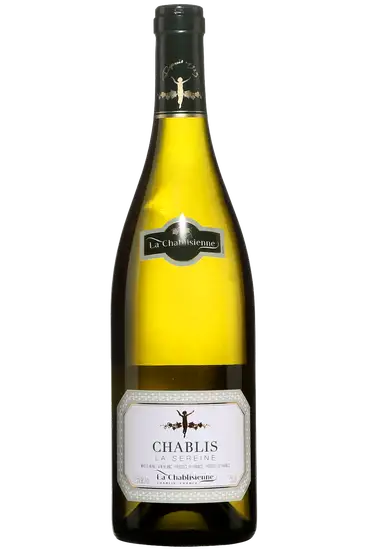
In Chablis, the cool climate and winemaking style generally produce leaner wines, with apple, citrus, good acidity and that mineral impression often associated with the region. La Sereine from La Chablisienne offers a good introduction to this style without starting with an especially expensive bottle. Keep its profile in mind, because the next wine will show how much the same grape can change personality.
Key takeaway
TO REMEMBER : Chardonnay · fresh · lean · mineral
La Chablisienne
· 31,25 $La Chablisienne Chablis La Sereine
A fresh, direct and mineral Chablis that shows just how different Chardonnay can be when it expresses itself in a cool climate.
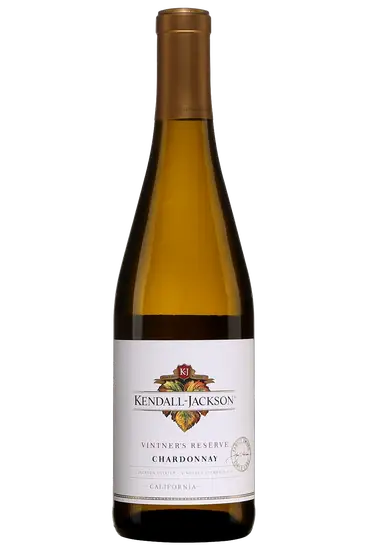
View wine04 — Kendall-Jackson Vintner’s Reserve Chardonnay
United States · California · Chardonnay
To really understand Chardonnay, you now need to go almost the opposite direction from Chablis. In a warmer climate and with barrel ageing, the grape can produce much fuller, more generous wines, with riper fruit and notes of vanilla, butter, toast or caramel brought especially by oak.
The point of tasting these two wines isn’t to decide which represents the “true” Chardonnay. They both do. That’s exactly what makes the comparison interesting: the grape is the same, but climate, origin and winemaking completely change the result. After tasting them, it becomes much easier to say you prefer a fresher, lightly oaked Chardonnay or, on the contrary, a rounder, more enveloping version.
Key takeaway
TO REMEMBER : full · creamy · oaky · ripe fruit
Kendall-Jackson Vineyards & Winery
· 22,95 $Kendall-Jackson Vintner's Reserve Chardonnay
A generous, full-bodied Californian Chardonnay in which ripe fruit, creamy texture and oak offer a perfect contrast to Chablis.
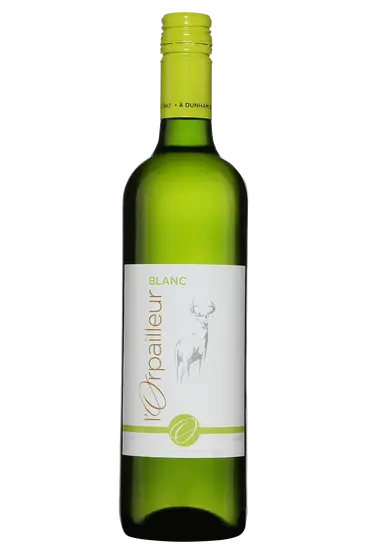
View wine05 — L’Orpailleur Blanc
Quebec · Eastern Townships
It’s impossible to build a selection for Le Premier Verre without integrating Quebec wines into the normal journey, rather than treating them as a separate category. L’Orpailleur is particularly relevant to start with: the estate is one of the pioneers of modern viticulture in Quebec and helped show that a real wine industry could develop here.
Its white also helps discover a reality specific to our climate. In Quebec, you encounter varieties like Seyval blanc and Frontenac blanc, chosen notably for their ability to adapt to conditions much colder than those in the major European wine regions. The result offers another reading of white wine, often marked by lovely freshness. It’s an interesting bottle both for what it offers in the glass and for what it tells about the evolution of Quebec wine.
Key takeaway
TO REMEMBER : Quebec · cold climate · freshness · adapted grape varieties
Vignoble de l'Orpailleur
· 17,90 $L'Orpailleur Blanc
A fresh, bright Quebec white wine that offers an excellent introduction to grape varieties suited to our northern climate.
View wineReds
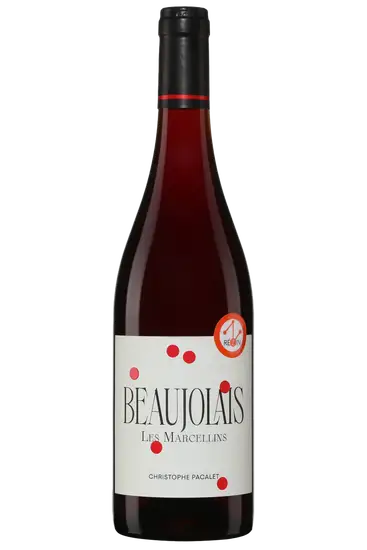
06 — Christophe Pacalet Beaujolais Les Marcellins
France · Beaujolais · Gamay
Gamay is an excellent grape to learn that a red doesn’t need to be powerful to have character. In Beaujolais, it generally yields fresh, very fruity, low-tannin wines that are particularly pleasant to drink. Les Marcellins from Christophe Pacalet fits this register with a juicy profile and lovely lightness.
This is also a good moment to try serving a red a little cooler. About twenty minutes in the fridge before going to the table can be enough to bring out its fruit and freshness. If you like this style, Gamay and Beaujolais are two markers to remember: they often lead you back to supple, easy-drinking reds that go with many more dishes than you might think.
Key takeaway
TO REMEMBER : Gamay · light · fruity · low tannin
Christophe Pacalet
· 21,35 $Christophe Pacalet Beaujolais Les Marcellins
A juicy, fresh Gamay bursting with fruit that shows how much character a light red can have.
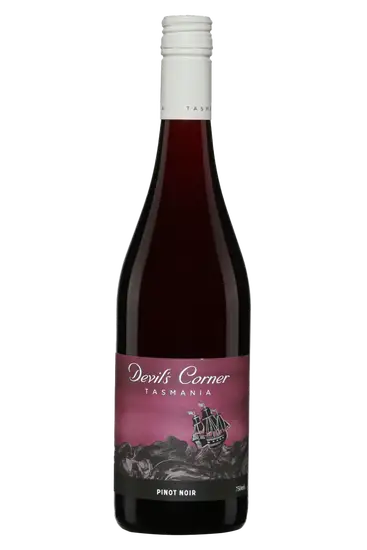
View wine07 — Devil’s Corner Pinot Noir
Australia · Tasmania · Pinot noir
Pinot noir keeps us in the realm of more delicate reds, but with a personality different from Gamay. Thanks to its cool climate, Tasmania has become a particularly interesting region for this grape. You’ll generally find red fruit, good freshness, a fine structure and sometimes earthy or spicy notes.
Tasted after Gamay, it helps clarify what we mean by “light red.” Gamay can seem juicier and immediately fruity, while Pinot noir often plays more on finesse and nuance. It’s not necessary to know which is technically more complex; knowing which you prefer is already much more useful for choosing your next bottles.
Key takeaway
TO REMEMBER : Pinot noir · red fruit · finesse · freshness
Devil's Corner
· 25,45 $Devil's Corner Pinot Noir
A fresh, delicate Tasmanian Pinot Noir, full of red fruit and carried by supple tannins.
View wine08 — Alain Lorieux Chinon Expression
France · Loire · Chinon · Cabernet franc
Cabernet franc adds a bit more structure to our journey without yet bringing us to the most robust reds. Chinon, in the Loire Valley, is one of its classic appellations. The grape develops aromas of red and black fruit, pepper and herbs, with sometimes a small vegetal note that’s part of its personality when well integrated.
It’s also a grape particularly relevant to know in Quebec, where several producers cultivate it today. We start with a classic French reference, but the name Cabernet franc can then follow us much closer to home. It’s exactly the kind of link that gradually makes the world of wine easier to navigate.
Key takeaway
TO REMEMBER : Cabernet franc · pepper · freshness · structure
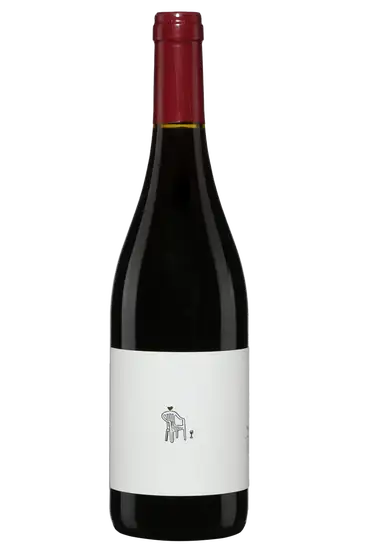
Pascal et Alain Lorieux
· 22,95 $Alain Lorieux Chinon Expression
A fresh, structured Loire Cabernet Franc where fruit meets the grape's characteristic spicy and herbal notes.
View wine09 — Mazzei Fonterutoli Chianti Classico
Italy · Tuscany · Chianti Classico · Sangiovese
Sangiovese is the great grape of Chianti and one of the best examples for understanding the importance of acidity in a red wine. You’ll generally find cherry, herbs, spice and a freshness that immediately makes you want to put food on the table.
So this is a bottle to open with a meal rather than to analyze alone for half an hour. Pizza, tomato-based pasta, charcuterie or grilled meat suit it very well. Try a sip before eating, then another with the dish: you’ll quickly understand why some wines seem to make the most sense at the table.
Key takeaway
TO REMEMBER : Sangiovese · cherry · acidity · at the table
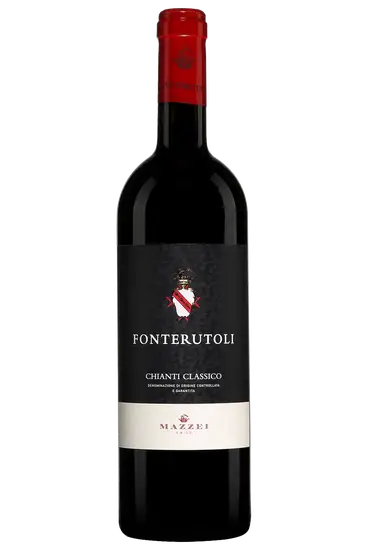
Castello di Fonterutoli — Mazzei
· 25,95 $Mazzei Fonterutoli Chianti Classico
A fresh, structured Chianti Classico where cherry, spice and the natural acidity of Sangiovese come into their own at the table.
View wine10 — Ferraton Père & Fils Syrah
France · Rhône Valley · Syrah
With Syrah, the profile becomes darker and spicier. Black fruit, pepper, violet, sometimes smoky or olive notes: the grape has a fairly distinctive personality. The Rhône Valley is one of its great historical territories, particularly in the northern part, and Ferraton lets you enter this world without starting directly with the most expensive appellations.
At this point in the list, the differences between the reds should become easier to perceive. Gamay was light and juicy, Pinot noir more delicate, Cabernet franc a bit more structured; Syrah now brings more body and spice. We’re slowly building enough points of comparison to know which direction we prefer to head.
Key takeaway
TO REMEMBER : Syrah · pepper · black fruit · spice
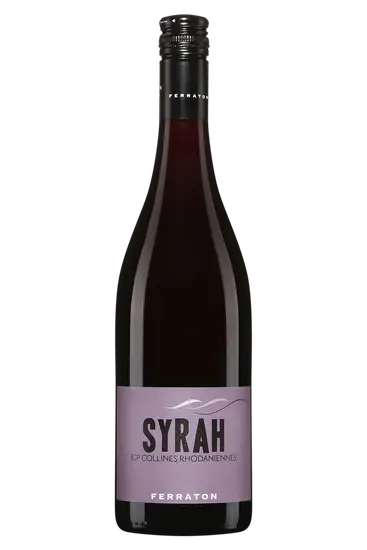
Ferraton Père & Fils
· 17,35 $Ferraton Père & Fils Syrah
A fresh, spicy Syrah that clearly shows the black fruit, pepper and violet characteristic of the grape variety.
View wine11 — Casillero del Diablo Cabernet Sauvignon
Chili · Cabernet Sauvignon
Casillero del Diablo is probably one of the least obscure bottles in this selection, and that’s perfectly fine. Cabernet Sauvignon is one of the best-known and most planted grapes in the world; to learn to recognize it, an accessible, widely distributed bottle is far more useful than a grand cru you’ll hesitate to open.
What we’re mainly looking for here is structure and tannin. After a sip, that slightly drying sensation on the gums and sides of the mouth comes in good part from the wine’s tannins. Once you’ve actually felt that sensation, the word becomes much less abstract. You can then decide if you like very structured reds or if you feel more at home with the softer styles tasted earlier.
Key takeaway
TO REMEMBER : Cabernet Sauvignon · tannins · blackcurrant · structure
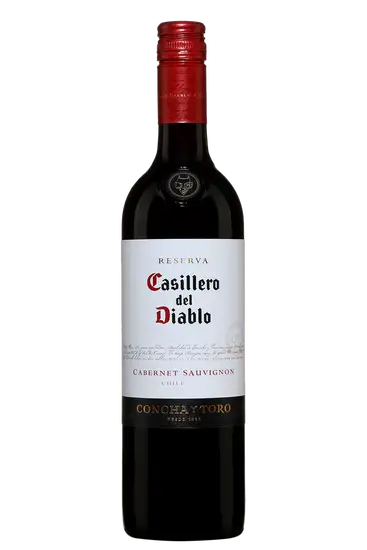
Viña Concha y Toro
· 14,65 $Casillero del Diablo Cabernet Sauvignon
An approachable, structured Cabernet Sauvignon — perfect for learning to recognize black fruit and, above all, the sensation of tannins.
View wine12 — Alto Moncayo Garnacha
Spain · Campo de Borja · Garnacha
Garnacha, called Grenache in English, lets you discover another form of power. Alto Moncayo comes from Campo de Borja, Spain, and from old vines capable of producing very concentrated grapes. The wine is generous, with ripe fruit, spice, warmth and a lot of intensity.
This is deliberately a more ambitious bottle than many others on the list. It’s most worthwhile after tasting the Cabernet Sauvignon, because the two can seem powerful without being the same kind of power. Cabernet leans heavily on tannic structure, while Garnacha can give a rounder, riper and warmer impression. It’s a nuance hard to explain on paper, but quite obvious once in the glass.
Key takeaway
TO REMEMBER : Garnacha · ripe fruit · warmth · concentration
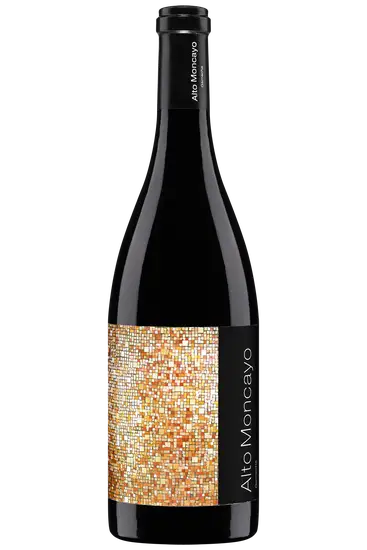
Bodegas Alto Moncayo
· 65,50 $Alto Moncayo Garnacha
A powerful, generous Garnacha that shows how far the variety can go when it comes from old vines and receives pronounced barrel ageing.
View wine13 — Domaine Saint-Basile Frontenac
Québec · Frontenac
Frontenac brings us back to Quebec, but especially to a viticultural reality very different from traditional regions. This hybrid grape was developed to withstand particularly low winter temperatures, which explains its obvious appeal for vineyards in cold climates.
Domaine Saint-Basile therefore lets you discover something other than a Quebec version of a European grape. It opens the door to a viticulture that adapted to its environment and is gradually developing its own references. It’s an important part of Quebec wine’s identity and probably one of the most interesting topics to follow in the coming years.
Key takeaway
TO REMEMBER : Quebec · Frontenac · cold climate · northern viticulture
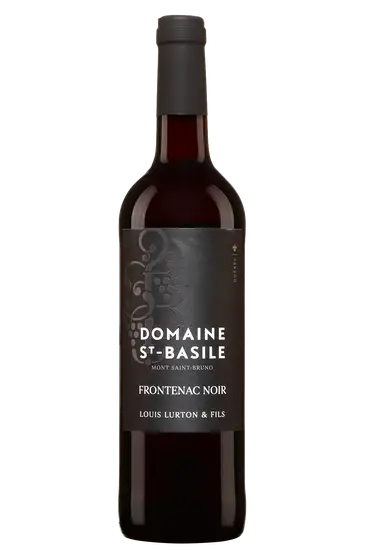
Domaine Saint-Basile
· 17,80 $Domaine Saint-Basile Frontenac
A Quebec red that lets you discover Frontenac and understand why cold-hardy grape varieties hold a special place in our winemaking.
View wineBubbles
14 — Parés Baltà Cava Brut
Spain · Catalonia · Cava
We associate bubbles so much with Champagne that we sometimes forget Champagne primarily denotes an origin. Spanish Cava helps you understand the difference: it’s also made by the traditional method, with a second fermentation directly in the bottle, but it comes from another territory and uses traditional Spanish varieties in particular.
Parés Baltà is a nice introduction to this style because it offers serious bubbles at an still accessible price. It’s also worth drinking outside of the toast moment. With tapas, seafood, fried foods or simply as an aperitif, you quickly discover that a dry sparkling can be one of the most versatile wines at the table.
Key takeaway
TO REMEMBER : Cava · traditional method · dry · versatile
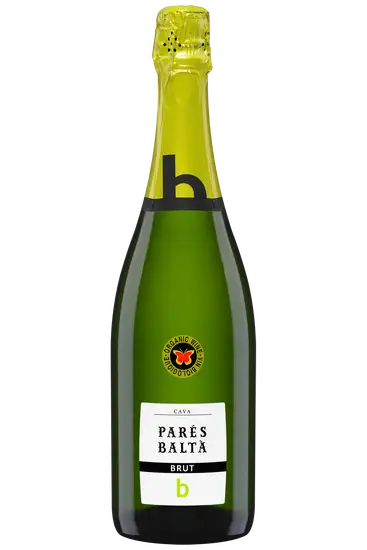
Parés Baltà
· 18,85 $Parés Baltà Cava Brut
An organic Cava, dry and lively, that lets you discover the traditional method without starting with Champagne.
View wine15 — Delinquente Tuff Nutt Bianco Pet Nat
Australia · Riverland · Pétillant naturel
After the traditional method, pétillant naturel shows a completely different way of creating bubbles. In its simplest form, the wine is bottled before the end of its fermentation; the carbon dioxide produced naturally then remains trapped in the bottle.
Le résultat est souvent moins sage qu’un Cava : plus fruité, parfois trouble et généralement plus spontané dans son expression. Tuff Nutt est une bonne bouteille pour découvrir le style sans chercher à le comparer directement à un Champagne. Le pét-nat appartient à un autre registre, et c’est justement ce contraste qui le rend intéressant dans cette sélection.
Key takeaway
TO REMEMBER : pet-nat · fermentation · fruit · spontaneity
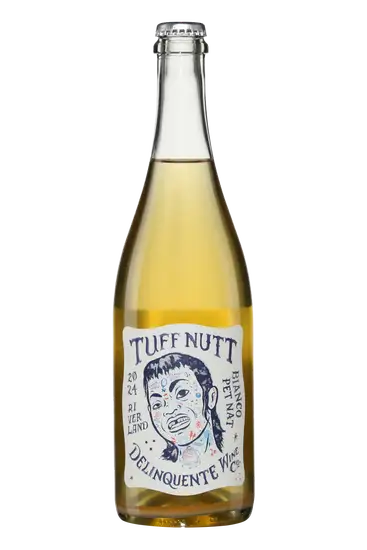
Delinquente Wine Co.
· 23,05 $Delinquente Tuff Nutt Bianco Pet Nat
A light, dry and lively Australian pét-nat that illustrates how bubbles are obtained by naturally finishing fermentation in the bottle.
View wineRosé
16 — Whispering Angel Côtes de Provence
France · Provence · Rosé
Whispering Angel has become one of the most recognizable names for Provençal rosé and has helped popularize this very pale, dry and delicate style. Its presence here isn’t about being original for the sake of it: it’s precisely an interesting bottle to understand the style many contemporary rosés aspire to.
Beyond the colour and the very summery image of the product, you’ll find a fresh, delicate wine that’s easy to put on the table. Mediterranean cuisine, fish, grilled vegetables or salads suit it particularly well. It’s also an opportunity to put rosé in its proper place: a wine style in its own right, not just a bottle reserved for July days.
Key takeaway
TO REMEMBER : Provence · dry rosé · delicacy · versatility
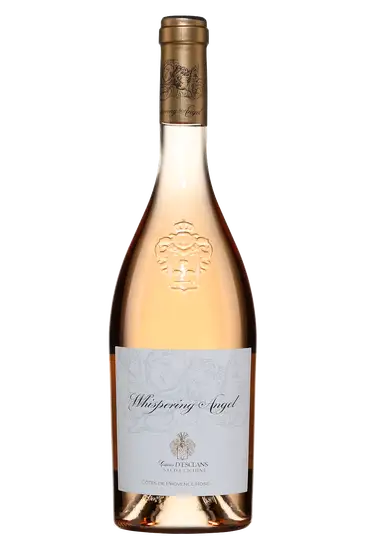
Château d'Esclans
· 31,50 $Whispering Angel Côtes de Provence
A pale, dry and delicate Provençal rosé that has become one of the international benchmarks of contemporary Provençal style.
View wineOrange wine
17 — Meinklang Kontakt
Austria · Burgenland · Orange wine
Orange wine is much easier to understand when you know how it’s made. To produce a classic white, the juice is generally separated from the skins fairly quickly. In a skin-contact white, the skins of white grapes stay in contact with the juice for a prolonged period, somewhat like you would for a red wine.
Ce contact modifie la couleur, mais surtout la texture et les arômes. Meinklang Kontakt peut donc présenter davantage de matière et même une certaine sensation tannique, ce qui le place très loin du Sauvignon blanc ou du Chablis goûtés au début de la liste. C’est un style qui peut surprendre la première fois et qui mérite souvent d’être essayé avec de la nourriture. Qu’on devienne amateur de vins orange ou non, il ajoute un repère très différent aux autres.
Key takeaway
TO REMEMBER : maceration · texture · tannins · orange wine
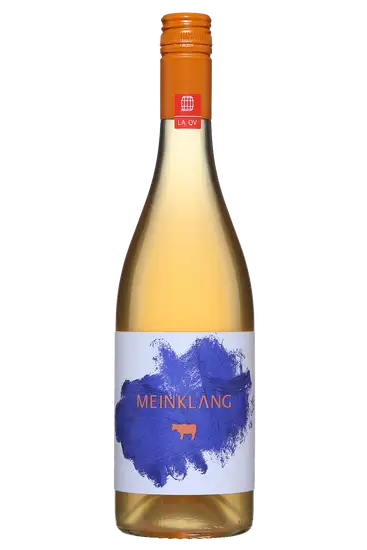
Meinklang
· 25,00 $Meinklang Kontakt
A fresh, textured Austrian skin-contact white, perfect for understanding what really sets an orange wine apart from a classic white.
View wineTwo more reference points
18 — Trop Content Chenin Blanc
Afrique du Sud · Swartland · Chenin blanc
Le Chenin blanc est difficile à résumer parce qu’il peut prendre une quantité impressionnante de formes. Il produit des vins secs et très vifs, des blancs plus riches, des mousseux et même de grands vins doux. En Afrique du Sud, où il est cultivé depuis des siècles, il occupe une place particulièrement importante et donne aujourd’hui certaines des expressions les plus intéressantes du pays.
Trop Content permet d’en découvrir une version accessible tout en ajoutant une nouvelle origine à notre parcours. On y retrouve de la fraîcheur, mais également une texture différente de celle des premiers blancs de la liste. C’est aussi un bon rappel qu’un cépage n’est jamais une recette fixe : l’endroit où il pousse et la façon dont il est travaillé comptent tout autant que son nom.
Key takeaway
Chenin blanc · Afrique du Sud · fraîcheur · texture
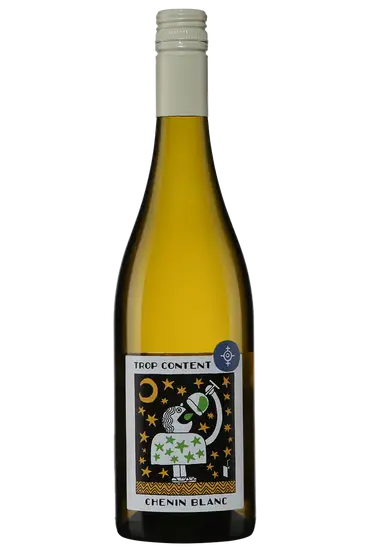
Krüger & Roux
· 18,90 $Trop Content Chenin Blanc
A fresh, textured South African Chenin Blanc that offers an excellent entry point to one of the country's most important grape varieties.
View wine19 — Torres Las Pisadas Rioja
Espagne · Rioja · Tempranillo
S’il y a un cépage rouge espagnol à retenir pour commencer, le Tempranillo est probablement le plus utile. Dans la Rioja, il est au cœur de vins qui associent le fruit, la structure et l’élevage en bois. Las Pisadas, issu de vieilles vignes, permet d’en découvrir une expression où les fruits rouges et noirs côtoient les épices et les notes apportées par l’élevage.
Après les autres rouges de cette sélection, il devient beaucoup plus facile de le situer. Il n’a ni le fruit très léger du Gamay, ni le poivre caractéristique de la Syrah, ni exactement la structure du Cabernet Sauvignon. C’est à force de ce genre de comparaisons que les cépages cessent d’être une série de noms sur des étiquettes et deviennent de vrais repères.
Key takeaway
Tempranillo · Rioja · épices · élevage
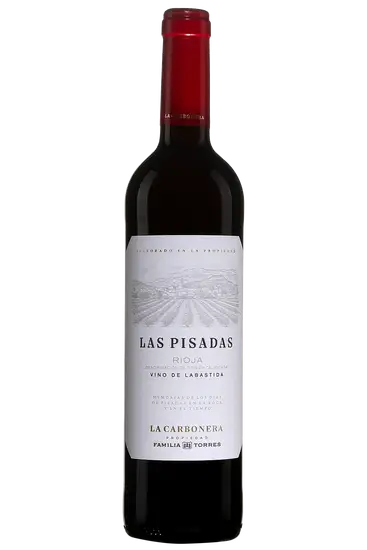
Familia Torres
· 22,05 $Torres Las Pisadas Rioja
A 100% Tempranillo Rioja that brings together fruit, spice and ageing to introduce one of the great reference points of Spanish red wine.
View wine20 — Albert Bichot Bourgogne Aligoté
France · Bourgogne · Aligoté
Pour terminer, retour en Bourgogne, mais sans Chardonnay. L’Aligoté est l’autre grand cépage blanc historique de la région. Longtemps resté dans l’ombre de son voisin beaucoup plus célèbre, il connaît aujourd’hui un regain d’intérêt et permet de découvrir une Bourgogne plus simple, plus vive et souvent plus accessible.
Son profil est généralement plus direct et nerveux que celui du Chardonnay. Albert Bichot en offre une introduction facile à comprendre, mais l’intérêt de cette dernière bouteille est surtout ailleurs : même dans une région aussi connue que la Bourgogne, il reste toujours des cépages, des appellations et des producteurs à découvrir. Vingt bouteilles donnent de bons repères; elles ne sont évidemment qu’un début.
Key takeaway
Aligoté · vif · Bourgogne · fraîcheur
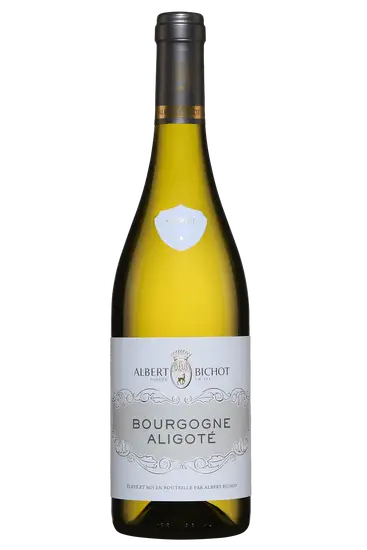
Albert Bichot
· 22,00 $Albert Bichot Bourgogne Aligoté
A lively, straightforward Burgundian white that introduces Aligoté, the other major historic white grape of Burgundy.
View wineHow to use this list
There’s no point in buying all twenty bottles at once. Keep the list and come back to it when you want to try something new. After each bottle, a few words are enough to keep a note: very fresh, too oaky, loved it with the meal, too tannic, would buy again. No need to turn the pleasure of having a glass into a school exercise.
After five or ten bottles, certain preferences should start to appear. Maybe you decidedly prefer taut whites to oaky whites, light reds to powerful reds, or traditional sparkling to pet-nat. You might also discover that a grape you thought you didn’t like pleases you a lot when it comes from another region or is worked differently.
That’s when knowing a bit about wine becomes truly practical. Next time you’re looking for a bottle, you’re no longer starting completely from scratch: you have a few names, a few styles and above all a few preferences to hang on to.
Your list of 20
□ 01 — Kim Crawford Sauvignon Blanc Marlborough
□ 02 — Schieferkopf Riesling Trocken
□ 03 — La Chablisienne Chablis La Sereine
□ 04 — Kendall-Jackson Vintner’s Reserve Chardonnay
□ 05 — L’Orpailleur Blanc
□ 06 — Christophe Pacalet Beaujolais Les Marcellins
□ 07 — Devil’s Corner Pinot Noir
□ 08 — Alain Lorieux Chinon Expression
□ 09 — Mazzei Fonterutoli Chianti Classico
□ 10 — Ferraton Père & Fils Syrah
□ 11 — Casillero del Diablo Cabernet Sauvignon
□ 12 — Alto Moncayo Garnacha
□ 13 — Domaine Saint-Basile Frontenac
□ 14 — Parés Baltà Cava Brut
□ 15 — Delinquente Tuff Nutt Bianco Pet Nat
□ 16 — Whispering Angel Côtes de Provence
□ 17 — Meinklang Kontakt
□ 18 — Trop Content Chenin Blanc
□ 19 — Torres Las Pisadas Rioja
□ 20 — Albert Bichot Bourgogne Aligoté
Lorsqu’une bouteille te plaît particulièrement, regarde son cépage, son origine et son producteur. Essaie ensuite une autre bouteille qui partage l’un de ces éléments. C’est une façon toute simple de continuer à découvrir sans avoir l’impression de devoir apprendre le vin.
Sur Le Premier Verre, chaque bouteille de cette sélection est liée à sa fiche complète pour retrouver les informations pratiques, les accords, le producteur et les autres pistes à explorer.
The newsletter
Shall we talk wine again?
Bottles we loved, producers worth knowing and a few places worth discovering. Not every day. Just when we have something good to share.
In this story