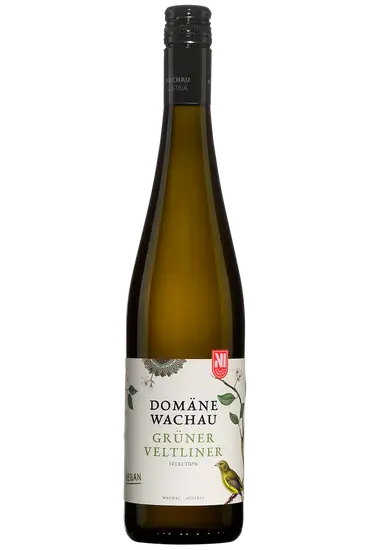
White
Domäne Wachau Grüner Veltliner Selection
Domäne Wachau
Basse-Autriche (Niederösterreich) · Autriche
View →Vegetarian
A lively, aromatic white that follows the basil, lightens the olive oil and respects the Parmesan.
The pairing
Pesto works on several levels at once: the herbaceous character of the basil, the richness of the olive oil and pine nuts, the saltiness of the Parmesan and the pungency of the garlic. A fresh, expressive wine can follow these flavours while lightening the richness of the sauce.
With a very herbaceous, lemony pesto, favour a particularly lively white. A version generous in Parmesan and nuts can accept a little more texture and roundness. The important thing is to keep enough freshness so the olive oil never makes the pairing heavy.
In practice
With pesto, think first of the basil and the olive oil. Look for a fresh, dry and expressive wine rather than a rich, oaky white. Good acidity cleans the palate and makes you want another bite.
In the glass
The LPV selection
A selection chosen from our bottle library based on their profile and affinity with this dish.
White
Domäne Wachau
Basse-Autriche (Niederösterreich) · Autriche
View →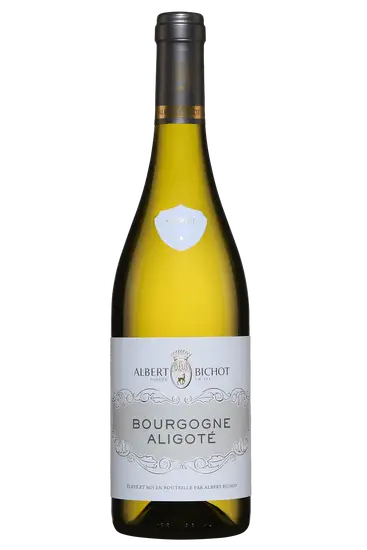
White
Albert Bichot
Bourgogne · France
View →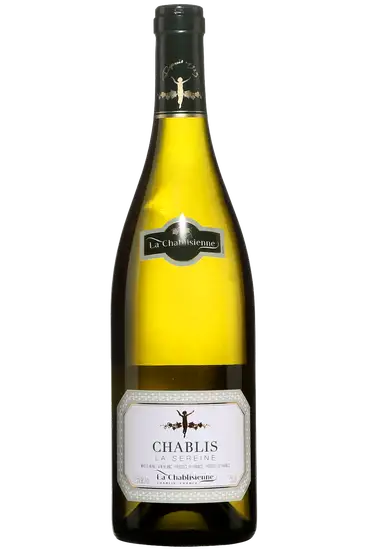
White
La Chablisienne
Bourgogne · France
View →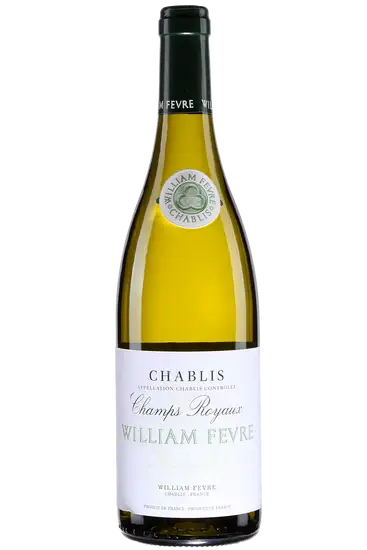
White · 2023
William Fèvre
Bourgogne · France
View →What to avoid
Heavily oaked, very rich whites as well as tannic reds. Basil and garlic can turn bitter or be lost against wines that are too powerful.
When serving
Serve the white around 9–11 °C. Avoid serving it ice-cold: a few degrees warmer let the wine’s aromas better respond to the basil.