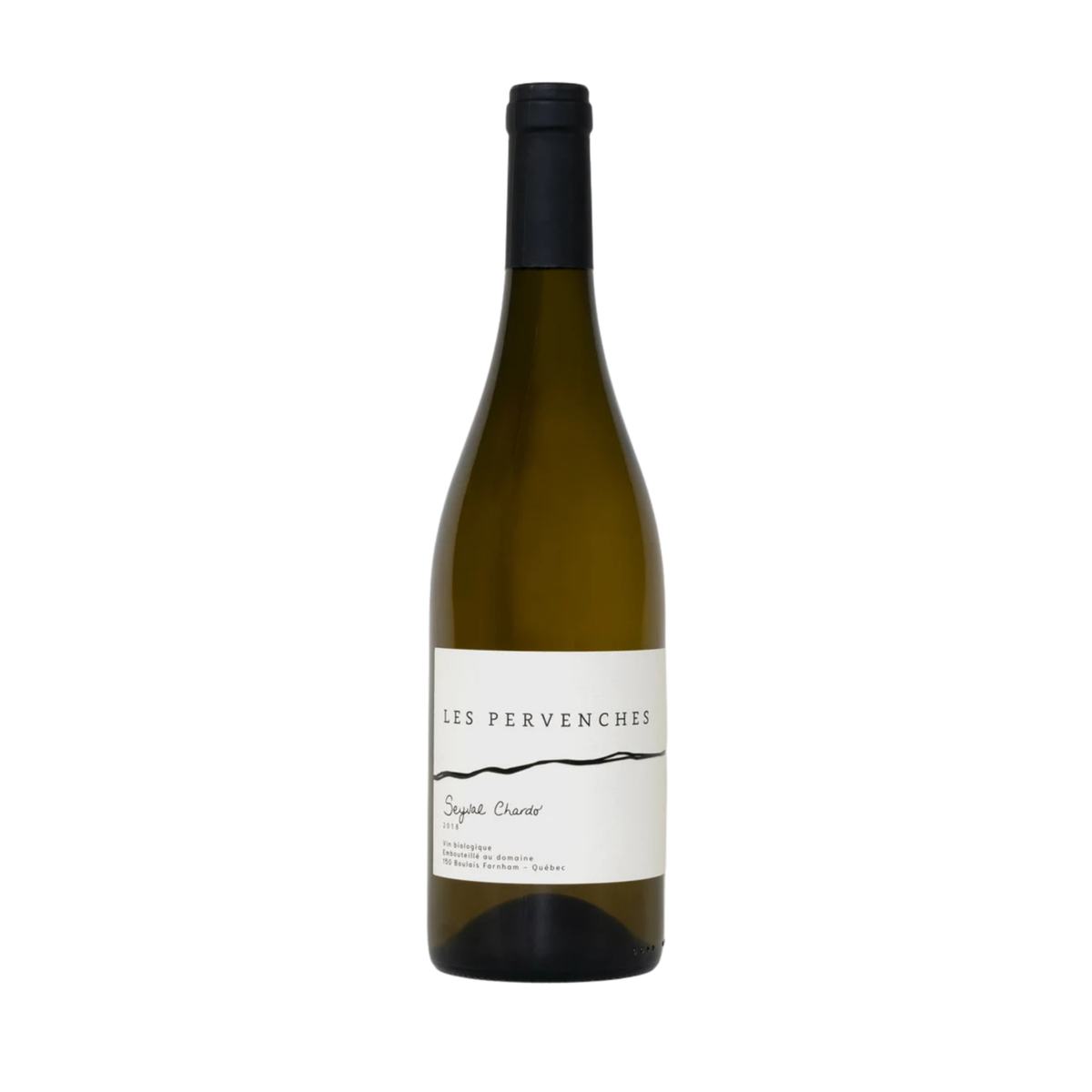
White · 2025
Les Pervenches Seyval Chardo
Les Pervenches
Cantons-de-l'Est · Canada
View →Fish
A fresh wine with enough texture to match the fish's flesh and the grilled notes from cooking.
The pairing
Grilling a fish completely changes the pairing. The cooking adds golden, sometimes smoky notes, and more intensity than a fish simply poached or steamed. The wine can therefore gain in body while retaining a clean acidity.
With a grilled, lemoned white fish, favour a lively, textured white. For a meatier fish or barbecue cooking, a fuller white or a dry rosé can easily follow the grilled notes without overpowering the flesh.
In practice
Look at the cooking as much as the fish. The more the surface is grilled and caramelized, the more the wine can gain in body and intensity. Still keep good acidity: it's what prevents the pairing from becoming heavy.
In the glass
The LPV selection
A selection chosen from our bottle library based on their profile and affinity with this dish.
White · 2025
Les Pervenches
Cantons-de-l'Est · Canada
View →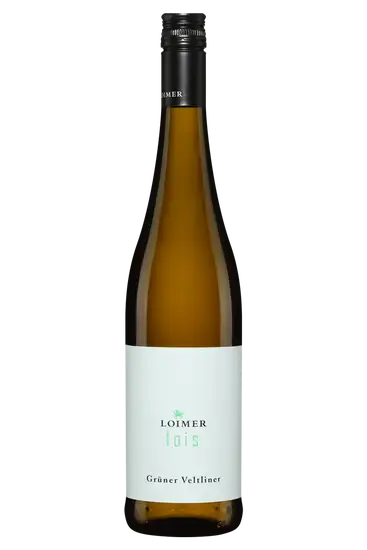
White · 2023
Weingut Loimer
Basse-Autriche (Niederösterreich) · Autriche
View →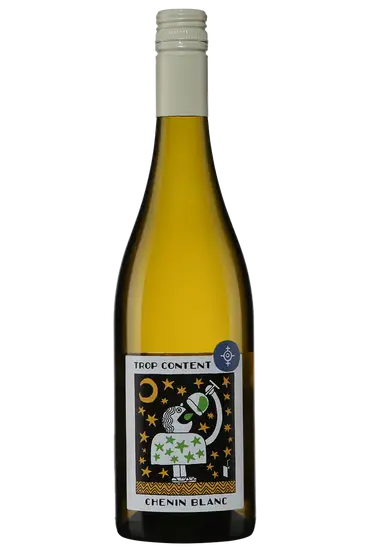
White · 2025
Krüger & Roux
Swartland · Afrique du Sud
View →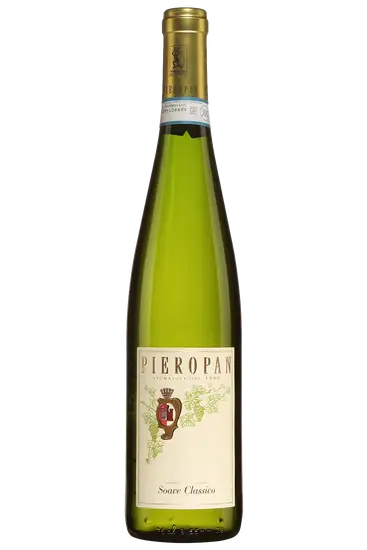
White
Pieropan
Vénétie · Italie
View →What to avoid
Tannic reds and very oaky whites. The grilled flavour allows for more character in the wine, but the fish's flesh remains too delicate for massive profiles.
When serving
Serve whites around 10–12 °C and rosés around 10 °C. With barbecue cooking, avoid serving the wine ice-cold: a slightly higher temperature will bring out its texture.