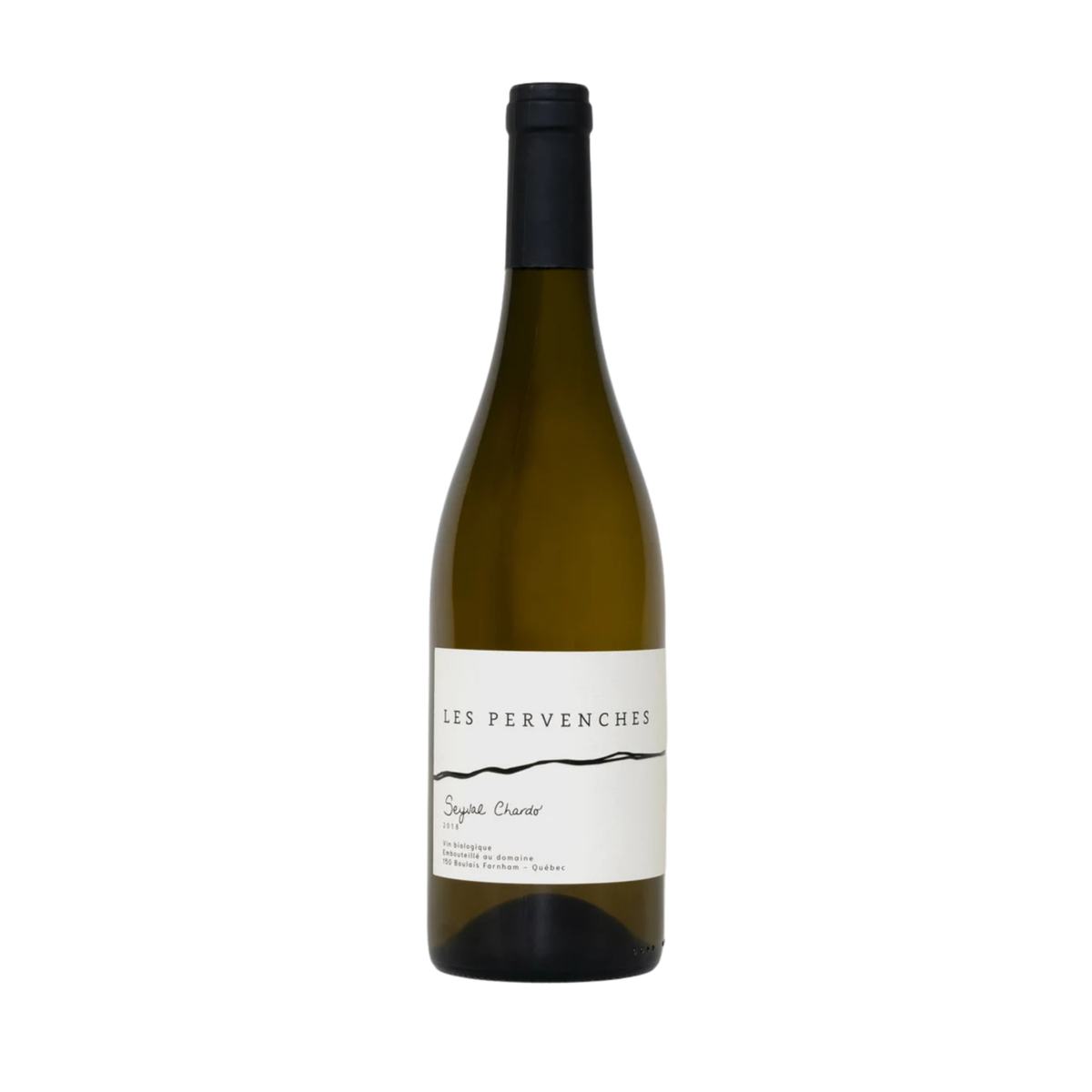
White · 2025
Les Pervenches Seyval Chardo
Les Pervenches
Cantons-de-l'Est · Canada
View →Vegetarian
Freshness to brighten the creaminess, with enough substance to stand up to Parmesan, vegetables or mushrooms.
The pairing
Risotto calls for a wine that can accompany its creamy texture without adding heaviness. Good acidity is often the best starting point: it refreshes the palate between bites while a touch of roundness allows the wine to remain present against the rice, butter and Parmesan.
The garnish then refines the choice. With vegetables or herbs, seek more freshness. With mushrooms, earthy and savory notes become interesting. A very rich risotto or one generously laden with Parmesan can handle a white with a bit more body.
In practice
Start with the texture rather than the main ingredient: the risotto’s creaminess calls for freshness. Then adapt the wine to the garnish. The richer, more buttery or Parmesan-heavy the dish becomes, the more the wine can gain in weight; with mushrooms, also look for a more savory, earthy profile.
In the glass
The LPV selection
A selection chosen from our bottle library based on their profile and affinity with this dish.
White · 2025
Les Pervenches
Cantons-de-l'Est · Canada
View →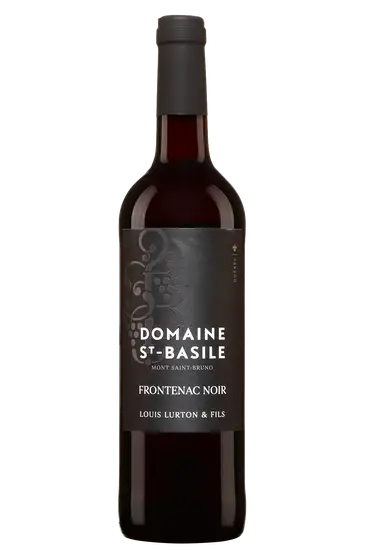
Red · 2023
Domaine Saint-Basile
Montérégie · Canada
View →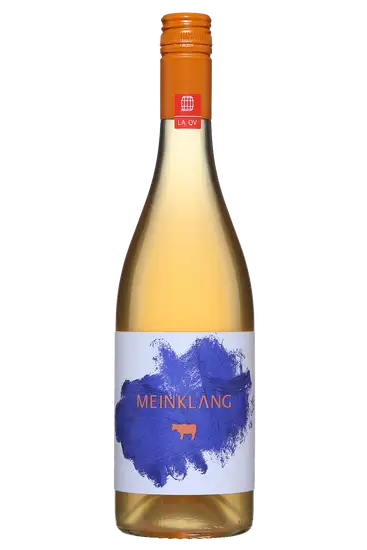
Orange · 2024
Meinklang
Burgenland · Autriche
View →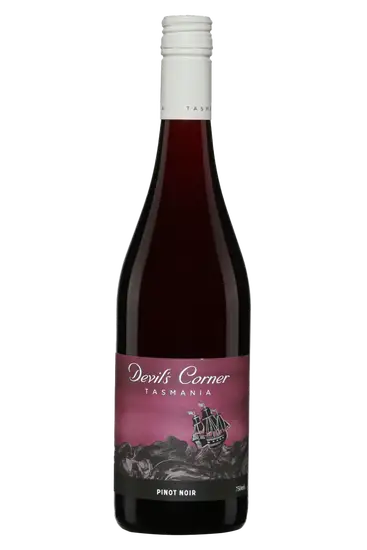
Red · 2024
Devil's Corner
Tasmanie · Australie
View →What to avoid
Soft or overly oaky whites and powerful or tannic reds, which can make the whole dish heavy or overpower the risotto’s delicate texture.
When serving
Avoid serving white wine ice-cold: around 10–12 °C it will retain its freshness while better revealing its texture and aromas.