United States
California
California is at the heart of the American wine industry and brings together an impressive diversity of terroirs. Its image is often associated with generous, ripe wines—particularly broad, oaky Chardonnays and structured Cabernet Sauvignon. But that description only tells part of the story: the influence of the Pacific, differences in altitude and the variety of regions also allow much fresher, more delicate wines to be produced there.
The territory
Where are we?
California runs along the Pacific coast of the western United States. Its vineyards stretch across a vast territory that includes Napa Valley, Sonoma, the Central Coast and many other wine regions.
In the vineyard
The climate.
The climate is generally sunny and favorable to good ripening of the grapes, but the cooling influence of the Pacific Ocean creates significant variations. Coastal fog, winds, altitude and the orientation of valleys allow some areas to retain much more freshness than their latitude might suggest.
What to look for
Grape varieties.
In brief
What to know.
A vast diversity
California encompasses many regions and microclimates. Two California wines from the same grape variety can therefore present very different profiles.
The influence of the Pacific
The ocean brings cool winds and fog to many coastal areas, slowing ripening and helping grapes retain more acidity.
Chardonnay in a generous style
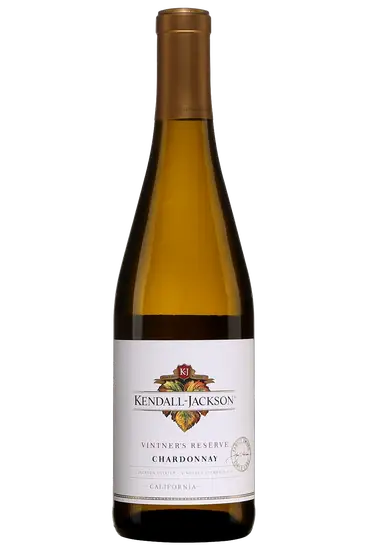
California popularized a broader, riper style of Chardonnay, often marked by oak ageing and notes of butter, vanilla and tropical fruit.
Producers we follow
Producers.
To drink
Wines.